Dead Relatives and Empty Promises: How Inheritance Scammers Exploit America's Grieving
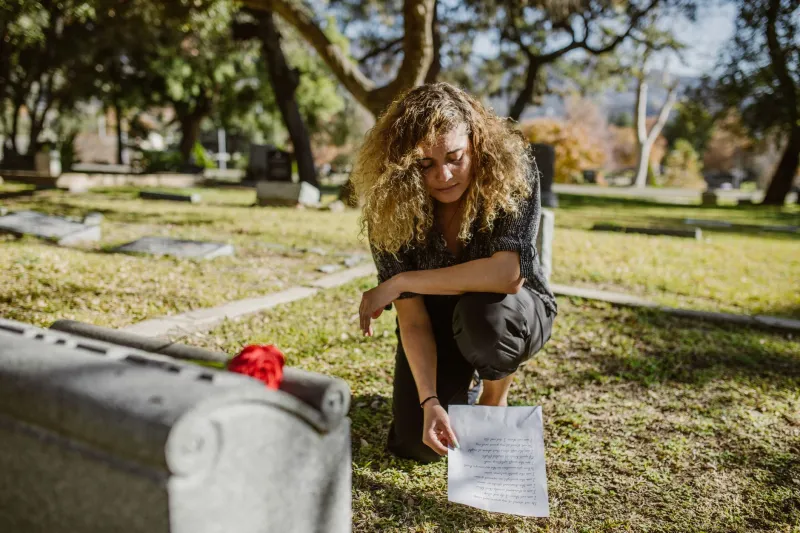
Grief does strange things to the human brain. Neuroscientists will tell you it disrupts executive function, impairs risk assessment, and creates a desperate hunger for anything that feels like good news. Scammers will tell you the same thing — they just phrase it differently. They call it "opportunity."
Inheritance fraud is older than the internet, older than the telephone, and arguably older than the concept of a bank. But it has never been more sophisticated, more targeted, or more financially devastating than it is right now in the United States. The FBI's Internet Crime Complaint Center logged over $650 million in advance-fee fraud losses in 2022 alone — and that's only what gets reported. Most victims, humiliated and depleted, never file a complaint at all.
A Brief and Depressing History of the "You've Inherited a Fortune" Con
Before we get into the mechanics of how these schemes operate today, it's worth appreciating just how long humans have been running this particular grift.
The "Spanish Prisoner" scam — a precursor to the modern advance-fee fraud — dates to at least the late 1500s. The setup: a con artist would contact a wealthy mark claiming to be an imprisoned nobleman with access to a hidden fortune. All he needed was a modest sum to bribe the guards, after which the mark would receive a generous share of the treasure. The treasure, naturally, never materialized.
Centuries later, in the 1980s, Nigerian fraudsters adapted this template into what became known as the "419 scam" (named after the Nigerian criminal code section it violated). The fax machine was the delivery vehicle of choice. Then came email. Then social media. Then text messages, WhatsApp, and LinkedIn. The story keeps updating; the structure never changes.
What makes inheritance fraud particularly durable is its emotional architecture. It combines two of the most powerful forces in human psychology: greed and grief. When someone is bereaved, the promise of a financial windfall isn't just appealing — it can feel like a message from the universe that things are going to be okay. Fraudsters know this. They count on it.
The Three Flavors of Inheritance Fraud
Modern inheritance scams come in several well-worn varieties, each with its own costume but the same rotten core.
The Foreign Windfall
This is the classic. You receive an email, letter, or social media message from someone claiming to be a foreign attorney, banker, or government official. They've located a dormant account belonging to someone with your last name — a distant relative who died without heirs. There are millions of dollars just sitting there, they explain, and since you share a name, you may be the rightful beneficiary.
All you need to do is provide some identifying information and cover a modest administrative fee. Then another fee. Then taxes. Then legal costs. Then a bribe. The fees multiply like rabbits. The inheritance never arrives.
The Unclaimed Estate Relative
A subtler variation targets people who've recently lost a family member. The scammer — often having scraped obituary websites or public death records — reaches out claiming to represent an estate attorney. There's an additional unclaimed account or asset associated with your deceased relative, they say. But the estate can only release it if you pay a processing fee, a notarization cost, or an inheritance tax upfront.
This version is particularly cruel because the victim is already grieving. The scam exploits the administrative chaos that genuinely surrounds estates — the real paperwork, the real attorneys, the real confusion — to make the fake version feel plausible.
The Executor Fee Scheme
Here, the fraudster poses as a dying or recently deceased person's representative, asking the target to serve as executor of an estate in exchange for a percentage of the total value. The mark is flattered — chosen for their trustworthiness! — and agrees. Then the fees begin. Customs clearance. International wire transfer costs. Legal registration. Every payment unlocks a new obstacle. The estate never materializes. The "representative" vanishes.
Why Smart People Fall For This
Before you feel too smug, consider that inheritance scam victims include retired federal agents, physicians, attorneys, and at least one former bank compliance officer. Intelligence is not a reliable defense against this particular type of fraud.
Here's why: these scams don't target stupidity. They target emotional state.
Research from the AARP Fraud Watch Network and various academic studies on fraud victimization consistently shows that people are most vulnerable during periods of major life transition — job loss, divorce, illness, and bereavement. Grief specifically impairs the prefrontal cortex's ability to evaluate risk. The part of your brain that would normally say "this sounds too good to be true" is busy processing loss. The part that wants reassurance, hope, and a reason to believe things will improve is running the show.
Scammers compound this by using several well-documented manipulation techniques:
- Urgency: The window to claim the inheritance is closing. You must act now.
- Authority: The contact appears to be from a law firm, a bank, or a government agency, often with convincing letterhead.
- Isolation: Victims are encouraged not to tell family members, since "the estate must remain confidential during processing."
- Sunk Cost Escalation: Once you've paid one fee, you're psychologically invested. Each additional payment feels like protecting what you've already spent rather than throwing good money after bad.
Real Cases, Real Losses
In 2019, a retired schoolteacher in Ohio lost $34,000 over eight months to a scammer posing as a British solicitor managing the estate of a distant relative she'd never heard of. She'd found the initial contact credible because the fraudster had correctly identified her mother's maiden name — information scraped from a publicly accessible genealogy website.
A 2020 case out of Florida involved a recently widowed man who received a call from someone claiming to be an estate attorney. His late wife, the caller said, had been named as a beneficiary in a distant relative's will — and as her surviving spouse, he was now entitled to the funds. He paid over $18,000 in "release fees" before his adult daughter intervened.
These aren't edge cases. They're representative of thousands of complaints filed annually with the FTC, FBI, and state attorneys general across the country.
Your Pre-Payment Checklist
If you or someone you know receives any communication about an unexpected inheritance, estate, or unclaimed asset, run through this list before taking any action:
- Legitimate estates do not require upfront fees from beneficiaries. Real attorneys and executors are paid from the estate itself, not by the people receiving it.
- Verify the attorney or law firm independently. Look up the name on your state bar's official website. Do not use the phone number or website provided in the original contact.
- Check unclaimed property through official channels. Every US state maintains a free, searchable database of unclaimed assets at MissingMoney.com or through your state comptroller's office. If there's real money in your name, it'll be there.
- Be suspicious of any request for secrecy. Legitimate legal and financial processes are not secret. If you're being told not to tell your family, that's a manipulation tactic.
- Run the name of the deceased through an obituary search. Scammers often invent deceased relatives entirely. A quick Google search can confirm whether the person they're describing ever existed.
- Never wire money or send gift cards. The moment a "legal professional" asks for payment via wire transfer, Zelle, or gift card codes, the conversation is over.
The Bottom Line
Inheritance scams work because they are, at their core, an act of profound cynicism about human nature. They assume that grief makes people gullible, that hope makes people reckless, and that shame will prevent victims from seeking help afterward.
The best defense isn't just skepticism — it's community. Talk to family members before sending money anywhere. Call your state attorney general's consumer protection office. Report suspicious contacts to the FTC at ReportFraud.ftc.gov.
And remember: if a stranger is contacting you about a fortune you didn't know you had, the fortune they're actually after is yours.